The Kwankwasiyya Movement has described the defection of Kano State Governor, Abba Kabir Yusuf, from the New Nigeria People’s Party (NNPP) to the ruling All Progressives Congress (APC) as a fundamental breach of political trust and ideological commitment.
The movement maintained that its values and principles cannot coexist with what it termed “dual loyalty,” insisting that political affiliation within Kwankwasiyya is inseparable from adherence to its core ideology.
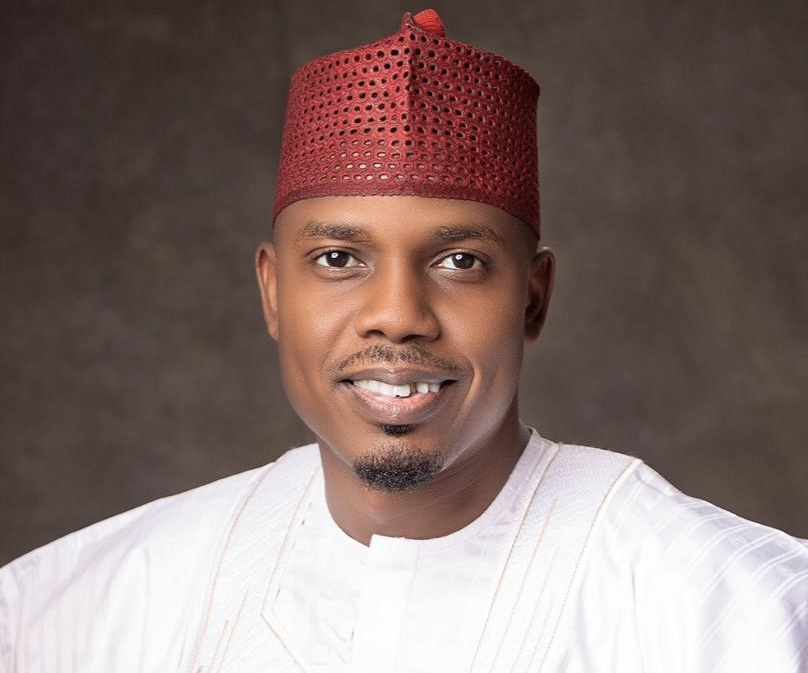
This position was articulated during an exclusive interview on Spotlight On, a current affairs programme aired on S24 Television, where the movement’s Spokesperson II, Captain Mansur Kurugu, addressed the political implications of the governor’s realignment.
Kurugu reaffirmed that Kwankwasiyya remains an ideology-driven movement anchored on education reform, social justice, and grassroots empowerment, arguing that political shifts motivated by personal ambition risk eroding public confidence and weakening democratic accountability.
He disclosed that the movement had observed early indications of political realignment before the governor’s public defection, adding that internal efforts were made to preserve unity and maintain ideological coherence.
Read Also: Governor Yusuf Meets Tinubu Over Defection Speculation
Responding to claims by Governor Yusuf’s supporters that the move was taken in the interest of Kano residents, Kurugu questioned the governance rationale behind the decision. He argued that sustainable development and effective service delivery should not be contingent on alignment with the federal ruling party.
Kurugu also referenced earlier remarks by the movement’s leader, Senator Rabiu Musa Kwankwaso, who stated that members could not follow the governor to the APC while retaining their Kwankwasiyya identity, describing the position as both ideological and strategic.
Addressing claims by the APC that the defection signals Kano’s political “return to the centre,” Kurugu dismissed the narrative as largely symbolic, noting that it does not reflect the voter sentiment expressed during the 2023 general elections.
He attributed the governor’s defection to a combination of political pressure and personal calculation, observing that federal influence often plays a role in post-election realignments within Nigeria’s political landscape.
On the movement’s future, Kurugu said Kwankwasiyya is repositioning to remain politically relevant irrespective of control over state executive power, emphasizing that its grassroots structures and youth engagement initiatives remain central to its strategy.
While acknowledging divisions among young supporters following the development, he maintained that ideological conviction, not political convenience, would shape the movement’s next phase.
Looking ahead to the 2027 general elections, Kurugu revealed that Kwankwasiyya is open to strategic national alliances but will not compromise on its core principles, including internal democracy, accountability, and social inclusion.