
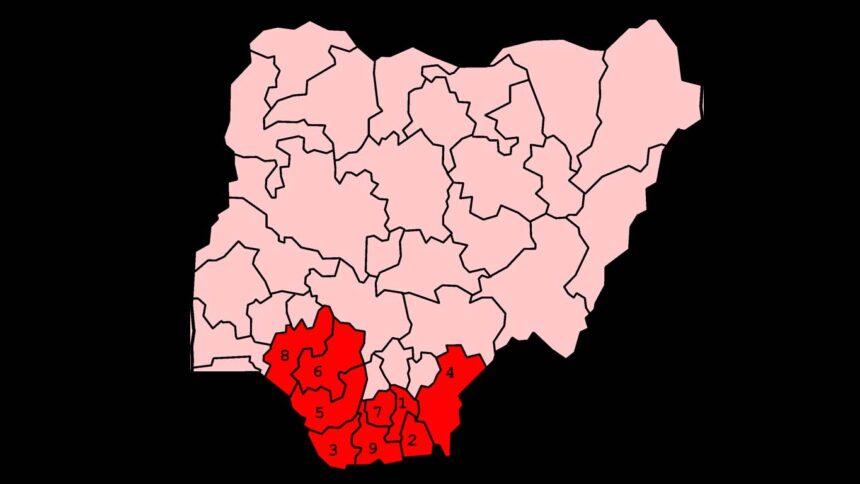
Stretching across approximately 70,000 square kilometers of southern Nigeria, the Niger Delta forms one of the world’s most extensive wetland ecosystems. This massive river delta, where the Niger River meets the Atlantic Ocean, creates a labyrinth of waterways, mangrove forests, and swamps that support extraordinary biodiversity.
The ecological richness of the Niger Delta is staggering. Its waters teem with over 200 fish species, while its forests and wetlands provide habitat for numerous mammals including the endangered Niger Delta red colobus monkey, African manatees, and pangolins. The mangrove forests, among the largest in Africa, serve as critical nurseries for fish populations and protect coastal communities from erosion and storm surges. Millions of migratory birds use the delta as a stopover point, making it a site of global ornithological importance.
Beyond its natural wealth, the Niger Delta is home to over 30 million people from diverse ethnic groups including the Ijaw, Ogoni, Itsekiri, and Urhobo. Traditional livelihoods revolve around fishing, farming, and utilizing the delta’s abundant natural resources. The region’s intricate waterways have shaped unique cultural practices and architectural styles, with many communities built on stilts above the water.
However, this ecological marvel faces severe environmental challenges. The Niger Delta sits atop vast oil reserves, and decades of petroleum extraction have taken a devastating toll. Oil spills, gas flaring, and industrial pollution have contaminated waters, destroyed mangroves, and decimated fish populations. The environmental degradation has sparked conflicts between local communities and oil companies, highlighting the urgent need for sustainable development practices.
Conservation efforts are underway to protect what remains of this wetland treasure. Successful restoration could preserve the Niger Delta’s biodiversity while supporting the millions who depend on its ecosystems for survival.