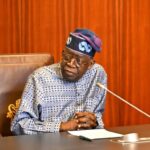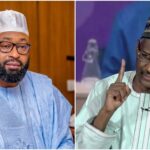
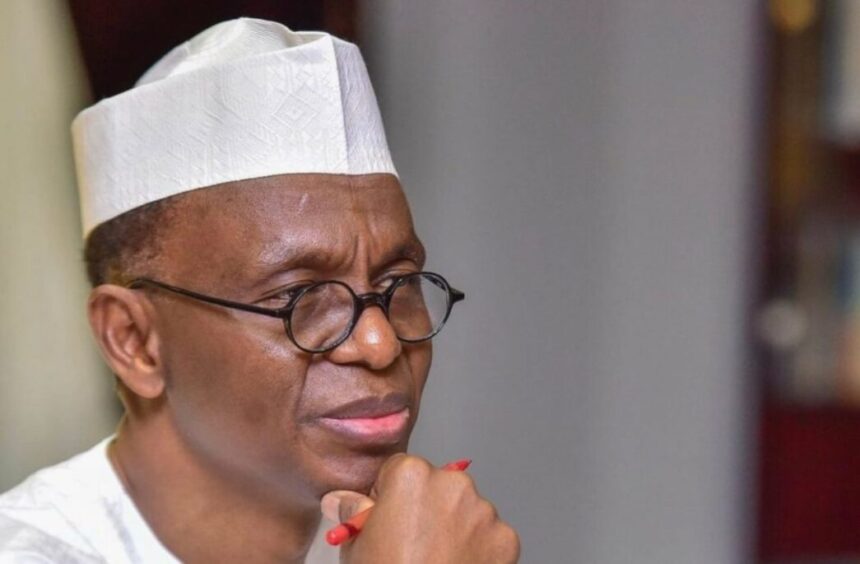
At the 23rd Daily Trust Dialogue 2026 in Abuja, themed “Nigeria’s Fourth Republic: What Is Working and What Is Not,” former Kaduna State governor Malam Nasir Ahmad El-Rufai joined other dignitaries to assess Nigeria’s democratic journey and its challenges.
Speaking virtually, El-Rufai said one development in Nigeria’s political landscape is robust competition, noting that the People’s Democratic Party (PDP) governed for 16 years and the All Progressives Congress (APC) “will not govern forever,” predicting the party is likely to exit power by 2027.
Despite this, he warned that Nigeria suffers from “governance without accountability,” arguing that reforms have focused more on procedures than on actual results. He said accountability has become selective, dangerous for some in opposition, negotiable for others, and “invisible for those aligned with power” and controversially claimed that APC members are rarely accused of corruption.
El-Rufai also highlighted broader governance challenges, including centralization without capability, economic hardship, and inequality, urging Nigeria to prioritize food security and strengthen institutions that deliver real services to citizens.
He emphasized that the opposition is not the enemy of the state and called for a political culture where elections don’t simply happen but translate into good governance and accountability.
Other participants stressed related issues, from insecurity and weak institutions to the need for credible elections and judicial reform, showing that Nigeria’s democratic success must be judged by outcomes, not just uninterrupted civilian rule.