Papaoutai by Stromae may sound like a fun, danceable song, but the truth behind it is far from joyful. Released in 2013, the song has recently started trending again across social media platforms, with people using it for videos, reels, and throwbacks. Many are dancing to it, vibing to the beat without realizing that the song tells a very painful and personal story.
That is what makes Papaoutai so powerful. It sounds happy, but it is actually sad.
What Does “Papaoutai” Really Mean?: The title Papaoutai is a playful, child-like way of saying the French sentence “Papa, où t’es ?” which means “Dad, where are you?” It is written the way a child would say it, and that is intentional. The song is told from the point of view of a child calling out to a father who is never around.
Throughout the song, the child keeps asking questions, but there are no answers. That silence is the real message.
The Real Story Behind the Song: Stromae wrote Papaoutai from his own life experience. His father was mostly absent while he was growing up and was later killed during the 1994 Rwandan Genocide. Because of this, Stromae never really had a relationship with him.
So the song is not only about losing a father to death it is also about growing up without one emotionally. Stromae has explained that he had no real memory of a father figure, and that absence left a deep mark on him. In the song, you can also hear his fear of becoming a father himself, wondering how to be a good parent when he never had one to learn from.
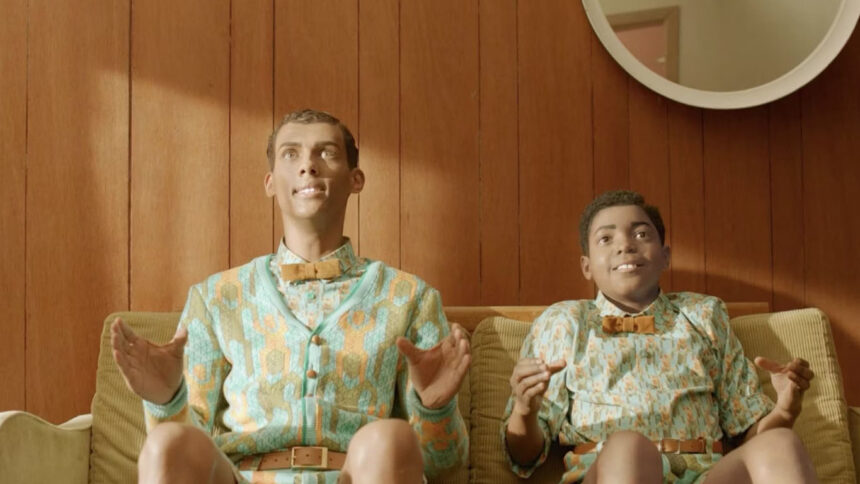
The Music Video Tells the Story Clearly: If you watch the Papaoutai music video closely, everything starts to make sense. Stromae plays a stiff mannequin, representing the absent or dead father. A young boy tries to get his attention dancing, playing, and pulling at him but the father never responds.
Around them, you see other fathers happily playing with their children, which makes the boy’s loneliness even more obvious. In the final scene, the boy gives up and sits beside his father, slowly becoming a mannequin too. It is a strong message: emotional absence can be passed from one generation to another.
Why People Are Just Understanding It Now: Today, Papaoutai is trending again, especially among young people who may not understand French. Many only hear the catchy beat and chorus, not the meaning of the words. But once the story is explained, the song hits differently. People are now revisiting the lyrics, watching the video again, and realizing that they have been dancing to a song about loss, absence, and childhood pain.
A Song That Feels Happy but Isn’t: Stromae is known for mixing serious topics with dance music, and Papaoutai is a perfect example. The beat makes you move, but the message makes you think. It reminds us that not every smiling song is a happy one. Papaoutai is more than a viral sound or a throwback hit. It is a reminder that many people grow up asking questions that never get answered and sometimes, music is the only place those questions can be heard.