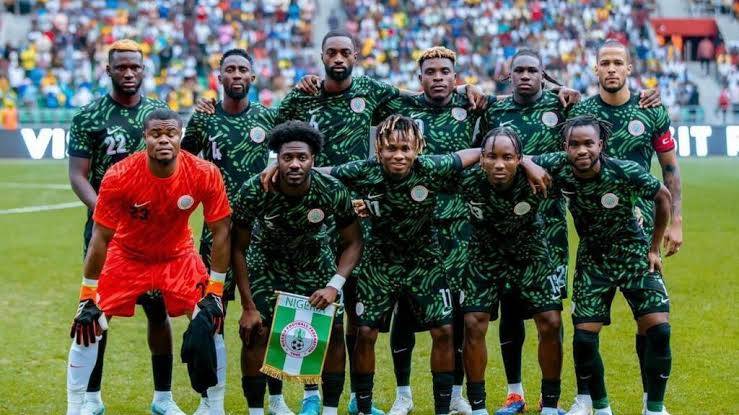
As the Africa Cup of Nations (AFCON) 2025 approaches, Nigeria’s national team the Super Eagles are under the spotlight with preparations, squad decisions and key warm-up results shaping expectations. The tournament will run from 21 December 2025 into early 2026 in Morocco, with Nigeria drawn in a challenging Group C alongside Tunisia, Uganda and Tanzania.
In their final warm-up game before the tournament, Nigeria suffered a 2–1 defeat to Egypt in Cairo, marking Egypt’s first win over the Super Eagles in nearly a decade. Despite holding their own during periods of the game, Nigeria conceded and struggled to break through consistently, offering both warning signs and learning opportunities ahead of AFCON.
Goalkeeper Chidozie Awaziem scored Nigeria’s only goal, showing glimpses of attacking promise, but overall the match highlighted issues the team will need to address as they target African glory.
Amid preparations, veteran Super Eagles keeper Francis Uzoho has publicly declared his readiness to contribute to Nigeria’s AFCON campaign, signalling confidence and leadership at the back.
At the same time, discussions around squad composition continue, with some external stories noting changes in squad makeup including high-profile Europeans-based players missing out which fuels debate about team chemistry and readiness.
Nigeria’s “NAIJA 4 THE WIN” campaign has been launched by the Nigeria Football Federation (NFF) to rally national support behind the team’s quest for the coveted continental title.
Group C Challenge: Tough Opponents Await
Nigeria’s AFCON 2025 Group C features a mix of established and emerging teams that promise competitive matches:
• Tunisia: A former AFCON winner with tactical discipline and experience.
• Uganda: A spirited side capable of upsets.
• Tanzania: A rising team with improved continental performances.
Group C is expected to be tightly contested, with Nigeria needing top form to secure a knockout stage berth and progress toward the title.
Nigeria will be aiming for its fourth AFCON title, having previously won in 1980, 1994, and 2013. Recent editions saw near-misses including a runners-up finish and this year’s edition represents a chance to reaffirm Nigeria’s status as one of Africa’s football powerhouses.
The disappointment of missing the FIFA World Cup again eliminated on penalties by DR Congo in World Cup qualifiers has added extra motivation for the Super Eagles to pursue AFCON success and recover national pride.
Football pundits and fans remain divided on Nigeria’s prospects. Some commentators stress that the Super Eagles must play beyond reputation and focus on performance, pointing out that modern AFCON competition is tougher and requires tactical discipline and cohesion.
Meanwhile, critics argue that the team’s reliance on external-born stars (“tokunbo players”) could affect chemistry and hunger for results unless properly managed.
What AFCON 2025 Means for Nigeria
For Nigeria, AFCON 2025 carries significance beyond wins and losses:
• Sporting Pride: A chance to reclaim continental supremacy.
• Economic Boost: Enhanced merchandise sales and national interest in football tourism.
• National Unity: Football remains a unifying national passion.
• Player Exposure: Success could elevate Nigerian players’ global profiles.
Whether Nigeria can convert expectations into results will depend heavily on tactical preparation, team unity, and how well the Super Eagles adapt in a high-stakes tournament environment.
As kick-off in Morocco draws near, Nigeria’s Super Eagles face a blend of optimism and realism. The pre-AFCON results, squad readiness, tactical debates and tough Group C fixtures form a narrative of challenge and opportunity.
For Nigeria a nation where AFCON ignites deep passion the goal remains clear: fight for continental glory, restore national pride and give Nigerians a reason to celebrate football at its best.