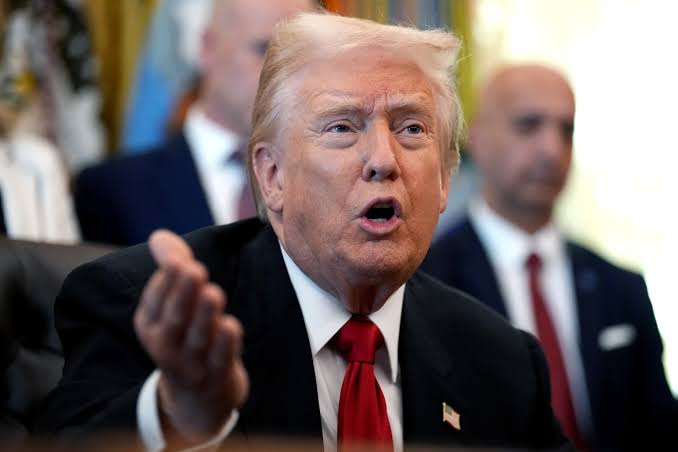
The United States of America President Donald Trump has announced a partial travel restriction on Nigeria, reigniting global debate over immigration, security screening and diplomatic relations between Africa’s most populous nation and the United States.
The restriction, according to officials familiar with the decision, does not amount to a total travel ban but places additional limitations on specific visa categories, heightened vetting procedures, and entry conditions for certain Nigerian travellers. The policy is said to be linked to security concerns, immigration compliance issues and documentation verification processes.
The announcement has drawn immediate attention due to Nigeria’s long-standing strategic, economic and people-to-people ties with the United States.
While full operational details are still emerging, the partial travel restriction reportedly affects: selected non-immigrant and immigrant visa categories, additional background and security screening for applicants, stricter entry conditions at US ports of entry, and enhanced documentation requirements for Nigerian travellers.
Officials stressed that the measure is not a blanket ban, but part of broader immigration and border-control policies frequently associated with Trump’s hardline approach to migration and national security.
Nigeria and the United States maintain strong ties in areas including: trade and investment, security and counterterrorism cooperation, education and academic exchange, and diaspora engagement.
Analysts warn that even partial travel restrictions could strain diplomatic relations and affect Nigerians seeking education, business opportunities, medical care and family reunification in the US.
Nigeria is also one of Africa’s largest sources of international students in American universities, raising concerns about potential ripple effects on academic exchange and mobility.
The announcement has sparked mixed reactions across social media and diplomatic circles. Some supporters argue that sovereign nations have the right to tighten border controls, while critics say the policy unfairly targets Nigerians and risks reinforcing negative stereotypes.
Civil rights advocates and immigration experts warn that such restrictions often have unintended consequences, including delays in visa processing and uncertainty for legitimate travellers.
Officials in Abuja are expected to engage US counterparts through diplomatic channels to seek clarification on the scope and duration of the restriction.
Trump’s move echoes earlier travel and immigration policies introduced during his presidency, which targeted several countries under the banner of national security. Although some of those measures were later reviewed or reversed, the renewed restriction highlights how immigration remains a central issue in US domestic and foreign policy debates.
Observers say the development underscores the importance of ongoing dialogue, data sharing and cooperation between Nigeria and the US on migration management and security frameworks.
What Happens Next
- Nigerian authorities are expected to issue an official response once full details are released.
- US embassies and consulates may update visa application guidelines for Nigerians.
- Travellers are advised to monitor official channels before making travel plans.
Diplomatic watchers believe the situation could evolve depending on political developments, bilateral negotiations and domestic policy priorities within the United States.
The partial travel restriction imposed by Donald Trump places Nigeria back in the global spotlight over migration and security concerns. While not a full ban, the move carries significant diplomatic, social and economic implications, particularly for Nigerians with strong ties to the United States. How both countries navigate the issue will shape the future of Nigeria-US relations in the months ahead.