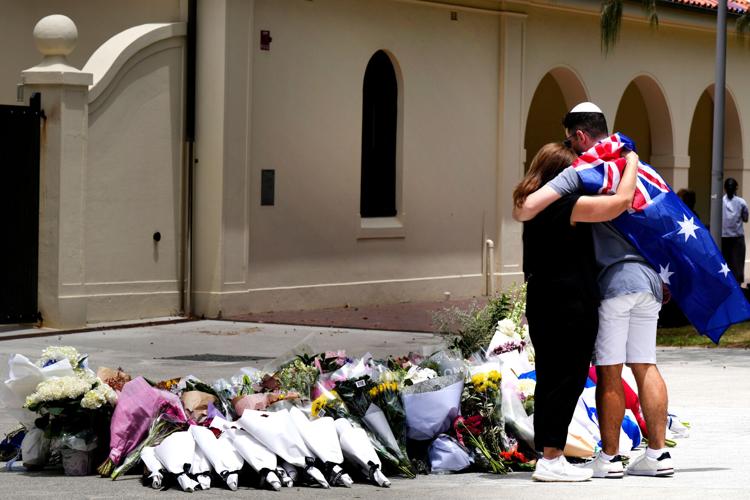
The mass shooting at Sydney’s Bondi Beach, which left 15 people dead including a child, has shaken Australia in a way few events have in recent decades.
That a father and son could open fire at a public Jewish festival nearly 30 years after the Port Arthur massacre has forced the nation to confront an unsettling reality.
In response, Prime Minister Anthony Albanese moved quickly, convening state and territory leaders and securing agreement to strengthen gun laws nationwide.
Proposals on the table include tighter background checks, restricting firearm access for non-nationals, and narrowing the categories of weapons allowed for civilian ownership. The urgency reflects both public outrage and political recognition that complacency carries a cost.
Australia’s gun reforms following Port Arthur in 1996 became a global benchmark, a sweeping buyback scheme, a national firearms register, and severe limits on semi-automatic weapons helped ensure mass shootings became rare.
For years, Australia was held up as proof that strong laws save lives. Bondi Beach has not erased that record, but it has exposed gaps that demand attention.
Authorities are now investigating how the attackers, reportedly with possible links to extremist networks, obtained their weapons. That question lies at the heart of the current debate. If firearms can still fall into the hands of those intent on mass violence, then oversight must evolve alongside emerging threats.
This moment is not about dismantling Australia’s gun control legacy, but about reinforcing it. Laws written for one era must adapt to another, especially as extremism, online radicalisation, and transnational crime reshape security risks.
The Bondi Beach tragedy is a painful reminder that gun control is not a one-time achievement, but an ongoing responsibility.
Australia’s decision to act swiftly may once again show that decisive leadership, rooted in evidence rather than ideology, can prevent grief from becoming routine.