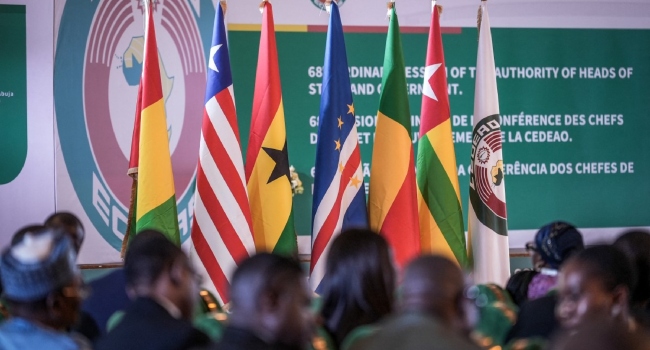
The Economic Community of West African States (ECOWAS) has once again reached for one of its strongest tools, sanctions after last month’s military takeover in Guinea-Bissau. By warning of “targeted sanctions” against those obstructing a return to civilian rule, the regional bloc is signaling that unconstitutional changes of government will not be tolerated. But in a region battered by repeated coups, the real question is whether this warning will translate into action.
Guinea-Bissau’s history makes the latest coup especially troubling. The small West African nation has long struggled with political instability, with military interference repeatedly derailing democratic processes. ECOWAS already maintains a peacekeeping force in the country, now authorised to protect political leaders and institutions. That move underscores the seriousness of the crisis and the fear that violence or further power grabs could follow.
At the same summit in Abuja, leaders condemned a failed coup attempt in Benin, where swift regional intervention, including Nigerian military support, helped shore up civilian authority. The contrast is striking: rapid action in Benin versus long-term instability in Guinea-Bissau. It raises the issue of consistency in ECOWAS’s response to threats against democracy.
The challenge for ECOWAS goes beyond Guinea-Bissau, Since 2020, military takeovers in Burkina Faso, Guinea, Mali, and Niger have weakened the bloc’s influence, with some junta-led states even withdrawing from the organisation. Each unresolved crisis chips away at ECOWAS’s credibility and emboldens anti-democratic forces across the region.
Sanctions, if enforced, could deter further obstruction and signal that coups carry real consequences, but if the threats remain rhetorical, they risk becoming just another ignored declaration. For ECOWAS, this moment is about restoring faith in regional democracy and proving that collective security and constitutional order still matter.
Guinea-Bissau’s path back to civilian rule will test not only its leaders but also the will of West Africa’s most important regional body.
In the fight between sanctions and silence, ECOWAS must choose decisively.