Heads of State and Government of the Economic Community of West African States (ECOWAS) have agreed to adopt a more proactive and forceful collective approach to end the spread of military coups, terrorism, and other security threats across the region.
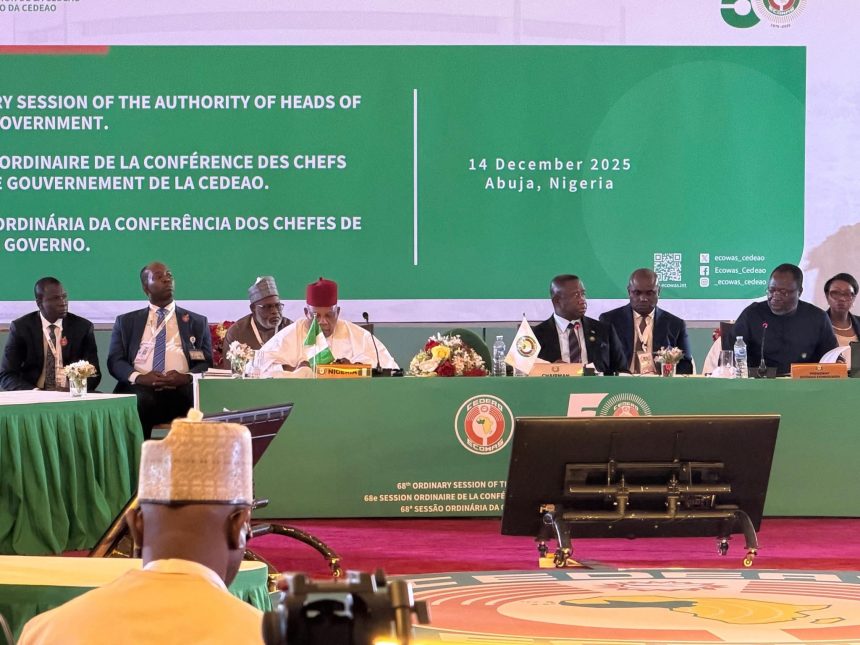
The resolution was reached on Sunday in Abuja at the 68th Ordinary Session of the ECOWAS Authority of Heads of State and Government, hosted by Nigeria. The meeting followed a series of unconstitutional changes of government in the Sahel and recent security threats within the sub-region.
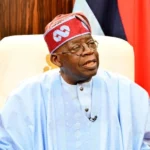
Speaking at the session, immediate past Chairman of the ECOWAS Authority and President of Nigeria, Bola Ahmed Tinubu, said the region must move beyond reactive sanctions to preemptive diplomatic and military action to safeguard constitutional order and regional stability.
President Tinubu, who was represented by Vice President Kashim Shettima during the session themed “Special Debate on the Future of the Community,” listed terrorism, violent extremism, unconstitutional changes of government, transnational organised crime, arms proliferation, cyber insecurity, climate shocks, food insecurity, and irregular migration as shared threats requiring collective action.
Read Also: ECOWAS Approves Major Cuts to Air Travel Taxes to Boost Regional Connectivity
“External threats confronting West Africa today demand nothing less than a united front. No single Member State, regardless of size or strength, can achieve enduring stability in isolation,” Tinubu said.
He reaffirmed Nigeria’s commitment to the ideals of ECOWAS, describing the region’s unity as “foundational, not transactional,” and stressed that internal divisions must not be allowed to weaken the bloc’s collective strength.
The session also highlighted recent security developments, including the attempted coup in the Republic of Benin on December 7, 2025. ECOWAS leaders cited the swift regional response to the incident as evidence of renewed solidarity within the bloc.
Current Chairman of the ECOWAS Authority and President of Sierra Leone, Julius Maada Bio, praised Nigeria for hosting the summit and commended President Tinubu’s leadership, particularly Nigeria’s role in safeguarding constitutional order in Benin.
President Bio described the 68th Ordinary Session as a defining moment for ECOWAS and disclosed that the bloc has agreed to implement measures to reduce the cost of air travel across West Africa beginning January 2026. Under the agreement, member states will abolish certain air transport taxes as part of efforts to improve regional integration and mobility.
President of the ECOWAS Commission, Dr. Omar Alieu Touray, said recent events in the region have demonstrated the effectiveness of collective action, citing responses to instability in Guinea-Bissau and Benin Republic. He commended regional leaders for their sustained commitment to the community over the past five decades.
Dr. Touray also announced that Nigerian industrialist Aliko Dangote has accepted to serve as Chairman of the ECOWAS Business Council, a platform aimed at strengthening engagement between the private sector and governments across the region.
The African Union Commission, represented by its Commissioner for Political Affairs, Peace and Security, Ambassador Bankole Adeoye, described the attempted coup in Benin and instability in Guinea-Bissau as unacceptable, stressing the need for stronger coordination to advance democracy and regional stability.
The ECOWAS session concluded with renewed calls for unity, solidarity, and collective resolve to protect constitutional governance and promote peace, security, and economic development across West Africa.