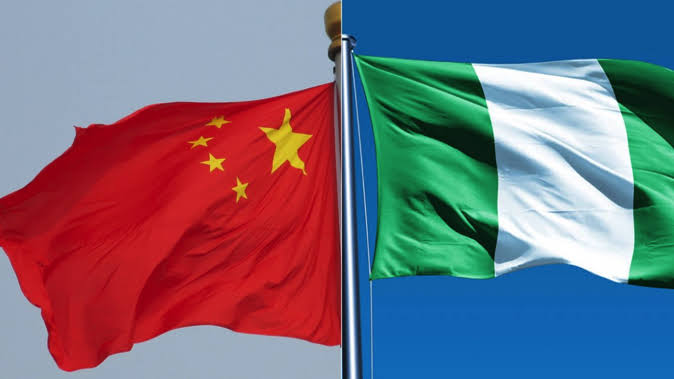
In a landmark announcement, China has signalled that it will accelerate the rollout of a zero-tariff policy for Nigerian exports, paving the way for wider and faster access of Nigerian goods into the Chinese market.
The commitment was made public by China’s Ambassador to Nigeria, Yu Dunhai, during a high-level meeting with Nigeria’s Minister of Foreign Affairs, Yusuf Maitama Tuggar, in Abuja. The move is seen as part of a renewed push to deepen economic cooperation and trade integration between the two countries.
Ambassador Yu described the decision as a demonstration of China’s commitment to strengthening relations with Nigeria under what he called a “fast-track” phase of the bilateral strategic partnership.
What This Means for Nigeria: Export Boom on the Horizon
- Duty-free access: Nigerian exporters can expect to ship eligible goods to China without tariffs a major incentive that could reduce costs, improve competitiveness and boost export volumes.
- New markets for Nigerian products: From agriculture, solid minerals, manufactured goods to value-added exports, suppliers may find a lucrative outlet in one of the world’s largest consumer markets.
- Boost for export revenues and jobs: The policy could trigger growth across supply chains benefiting farmers, manufacturers, miners, and exporters, potentially increasing foreign-exchange earnings and generating employment.
- Strengthened bilateral trade relations: The zero-tariff access marks a deepening of the China–Nigeria comprehensive strategic partnership, and could spur further cooperation in manufacturing, investments, and industrial development. 
Why China Is Doing This Now
China’s willingness to fast-track zero-tariff access for Nigerian exports comes as part of its broader trade strategy under the new Five-Year Plan. The policy aims to foster stronger economic ties with African nations, expand market diversity, and promote balanced global trade.
For Nigeria, which is already part of other regional trade frameworks such as ECOWAS and the African Continental Free Trade Area (AfCFTA), the move adds a valuable external market potentially reducing overreliance on traditional export destinations.
Trade experts and business leaders have welcomed the announcement as a major opportunity for exporters and manufacturers. Many believe this could mark a turning point in Nigeria’s export trajectory provided that export-oriented industries can meet quality, packaging, and export standard requirements demanded by the Chinese market.
However, some caution that for the benefits to materialize, the government must address structural challenges: production capacity, supply-chain bottlenecks, export certification, and consistency in output. Without these, zero-tariff access alone may not guarantee large-scale export success.
From Promise to Action
- Nigerian exporters and federal agencies will need to identify eligible products, align them with Chinese market standards, and prepare for export registration.
- The government may launch export-awareness campaigns to educate local producers, agribusinesses, and manufacturers about the new opportunity.
- Monitoring of trade flows and enforcement of export regulations will become critical to avoid misuse and ensure genuine value delivery.
- Over the medium term, this policy could encourage foreign and domestic investment in export-oriented industries from agro-processing, solid minerals to light manufacturing generating jobs and diversifying Nigeria’s economy.
China’s decision to fast-track zero-tariff access for Nigerian exports is a game changer a rare and significant opening for Nigerian goods into one of the largest global markets. If leveraged properly, this move could boost trade, create jobs, diversify Nigeria’s export base and deepen bilateral cooperation. But turning the promise into tangible gains will require swift government action and readiness from Nigeria’s private sector.
The coming months will reveal how far exporters and policymakers can ride this new wave of opportunity and whether Nigeria will truly benefit from this bold economic gesture by China.