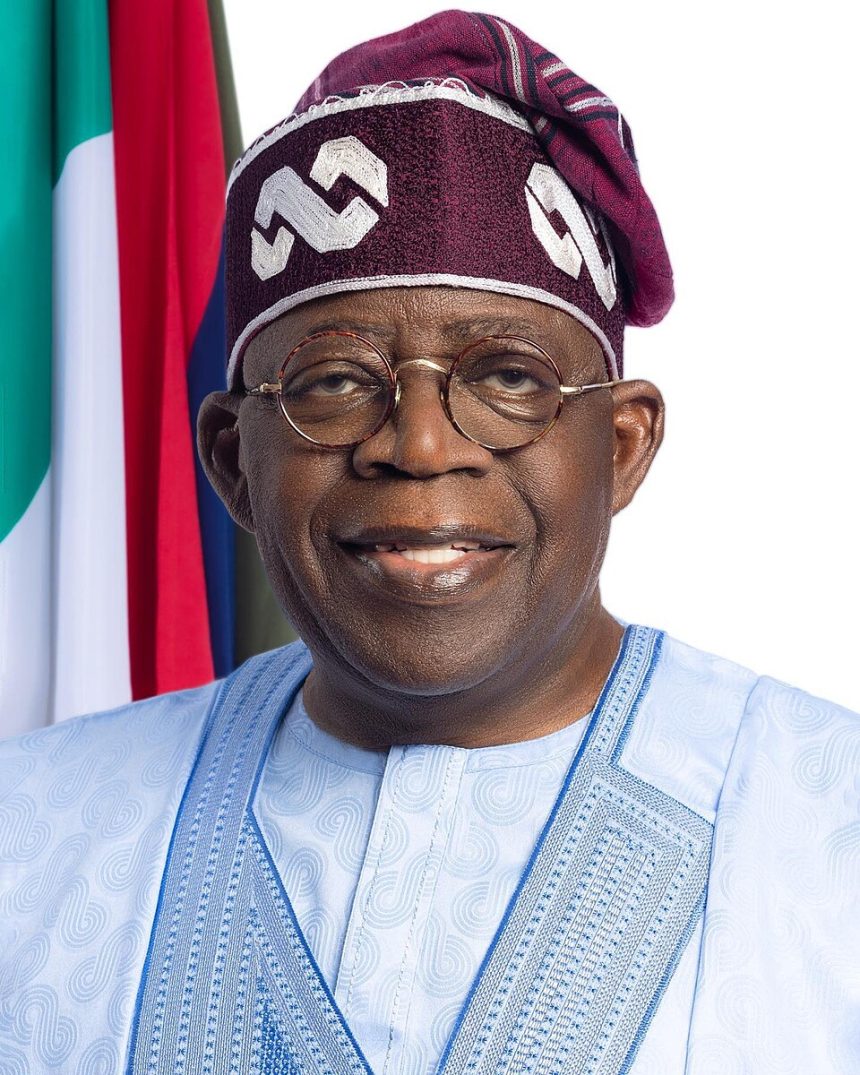
President Bola Ahmed Tinubu has written to the National Assembly seeking approval for a new ₦1.15 trillion loan from the domestic market to help fund part of the deficit in the 2025 national budget, which is estimated at over ₦10 trillion.
The President’s request, contained in a letter read during Tuesday’s plenary by Senate President Godswill Akpabio, stated that the borrowing was necessary to bridge the shortfall in expected revenue and ensure smooth implementation of key fiscal commitments.
“The additional loan will be sourced from the domestic financial market and will be used to finance critical infrastructure, social investments, and ongoing national projects outlined in the 2025 Appropriation Bill,” Tinubu’s letter reportedly read.
According to the document, the loan will form part of the government’s medium-term borrowing plan, with a focus on reducing reliance on external debt while leveraging local financial institutions and investors.
The administration argues that domestic borrowing poses lower foreign exchange risks and provides more flexibility in repayment compared to international credit sources.
Financial analysts say the move aligns with the government’s strategy to balance growth spending with debt sustainability, though concerns remain about the rising cost of debt servicing, which currently consumes over 40 percent of Nigeria’s federal revenue.
“Nigeria’s debt situation requires careful management, but domestic loans can offer short-term relief without adding pressure on foreign reserves,” said Dr. Aminu Gwarzo, a public finance expert.
The Tinubu administration has faced mounting fiscal challenges amid sluggish revenue performance, high subsidy costs, and inflationary pressures.
Despite recent efforts to boost non-oil revenue through improved tax collection and the ongoing removal of petrol subsidies, the government’s expenditure continues to outpace its income.
The proposed ₦1.15 trillion borrowing is part of broader fiscal measures intended to sustain capital projects, fund social welfare programs, and stabilize the economy ahead of the 2026 fiscal year.
“This borrowing is a short-term intervention to ensure ongoing projects are not stalled and that key public services remain uninterrupted,” a senior Finance Ministry official said on Tuesday.
The request will now undergo scrutiny by the Senate Committee on Finance and the House Committee on Appropriations, before being debated and approved by both chambers.
Lawmakers are expected to question the impact of rising debt and implementation of fiscal responsibility laws before granting approval.
Opposition members have already voiced concerns about Nigeria’s growing debt stock, which stood at over ₦97 trillion as of mid-2025, warning that “unchecked borrowing could mortgage the country’s future.”
Economists argue that if managed prudently, the domestic borrowing could help stabilize government financing and stimulate local financial markets. However, they caution that excessive dependence on borrowing may crowd out private sector credit and weaken long-term growth.
“The challenge is not borrowing itself, but ensuring that every borrowed naira yields tangible economic returns,” said Prof. Chika Ogu, an economist at the University of Lagos.
President Tinubu’s request underscores the government’s ongoing struggle to fund Nigeria’s expansive budget amid declining oil revenue and rising economic costs.
As the National Assembly reviews the proposal, the spotlight remains on how effectively the funds will be managed to promote fiscal discipline and drive sustainable growth in Africa’s largest economy.