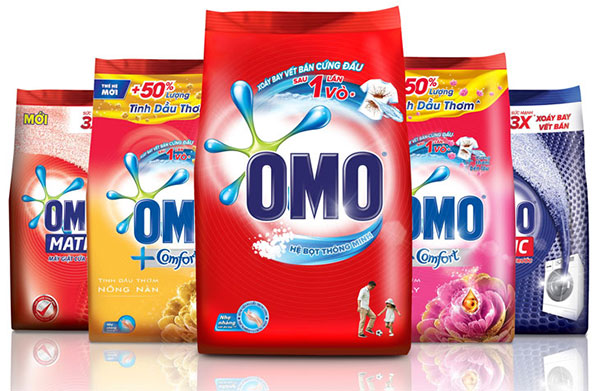
OMO was introduced to Nigeria in 1960 by Unilever Nigeria Plc, then known as Lever Brothers. Local manufacturing began in 1964, and by the 1970s the brand had become a household name. For decades, OMO was synonymous with laundry detergent, a product trusted by millions of Nigerians.
OMO’s early dominance came from its first-mover advantage, strong brand recognition, and Unilever’s manufacturing and distribution network. The detergent’s famous slogan, “OMO washes brighter,” became part of everyday speech. Even as newer brands entered the market, OMO retained its premium image and market leadership for more than five decades.
Unilever consistently refreshed the brand through new packaging, marketing, and variants. In its 2017 production report, the company noted that OMO remained “relevant to modern consumers” and was being relaunched to sustain leadership in Nigeria’s competitive detergent market.
The Beginning of the Shift: Competition and Consumer Change
By the late 2010s, OMO began losing ground as the Nigerian market shifted. Newer brands such as So Klin, Viva, and WAW gained traction with lower prices, flexible sachet packaging, and aggressive marketing. So Klin, introduced in the 1990s, appealed to cost-conscious households by offering smaller, more affordable pack sizes.
At the same time, economic hardship was shrinking consumer spending power. As household incomes declined, many Nigerians abandoned premium detergents like OMO for cheaper alternatives. A 2019 BusinessDay report highlighted this trend, noting that “demand for premium detergent brands is declining amid shrinking consumer wallets.”
Scholarly studies and marketing analyses also observed that OMO’s once-vibrant brand image was ageing. While still respected, it lacked the innovation and youth-focused energy of competitors. Researchers suggested that Unilever needed to rejuvenate OMO through new variants, influencer partnerships, and targeted campaigns to sustain relevance.
Operational costs added more pressure. Unilever’s home and skin care division, which included OMO, suffered losses due to inflation, high import costs, and currency devaluation. The company’s 2022 report revealed that this segment was no longer profitable in Nigeria, prompting strategic reviews.
How OMO Lost the Laundry Throne
The decisive moment came when Unilever Nigeria announced its exit from the Home Care and Skin Cleansing categories, which included OMO, Lux, and Sunlight. By 2023, production and sales of OMO had ceased in Nigeria. The company confirmed that its factory buildings were leased to a third party, marking the end of a 60-year manufacturing legacy.
With OMO’s withdrawal, local brands quickly filled the gap. Industry reports described a new battle for dominance among So Klin, WAW, and Viva. These competitors capitalized on OMO’s exit with aggressive promotions and wider distribution networks. The once-unquestioned “king” of detergents had effectively stepped aside.
Unilever cited macroeconomic instability, low profitability, and the need to focus on high-margin products as reasons for its decision. Analysts also pointed out that OMO’s premium positioning had become a disadvantage in a price-sensitive market dominated by smaller packs and local innovation.
The Consequences and Market Landscape
OMO’s exit reshaped Nigeria’s detergent market. Without a single dominant brand, the industry became more fragmented and competitive. So Klin emerged as an early leader, while WAW and Viva expanded their market share through affordability and strong distribution.
The brand’s departure also carried broader implications. Thousands of jobs tied to Unilever’s detergent operations were affected, and retailers lost a long-standing best-seller. For consumers, OMO’s disappearance meant fewer premium options and a nostalgia for what was once a household staple.
For Unilever, the move reflected a global trend toward focusing on profitable categories. The company’s exit from certain product lines in Nigeria mirrored similar strategic shifts in other African markets.
Looking Ahead
Whether OMO will ever return to Nigeria remains uncertain. If it does, the brand would need a new strategy, one that reflects local consumer realities, flexible pricing, and innovative marketing.
Meanwhile, Nigerian detergent makers have a unique opportunity to cement long-term leadership. Success will depend on affordability, consistent quality, and strong distribution in informal markets, where most consumers make their purchases.
OMO’s fall from dominance was not just a story of lost competition, it was a reflection of Nigeria’s changing economy and evolving consumer landscape. From a symbol of cleanliness and prestige, OMO’s decline shows how even the strongest brands must adapt or fade.