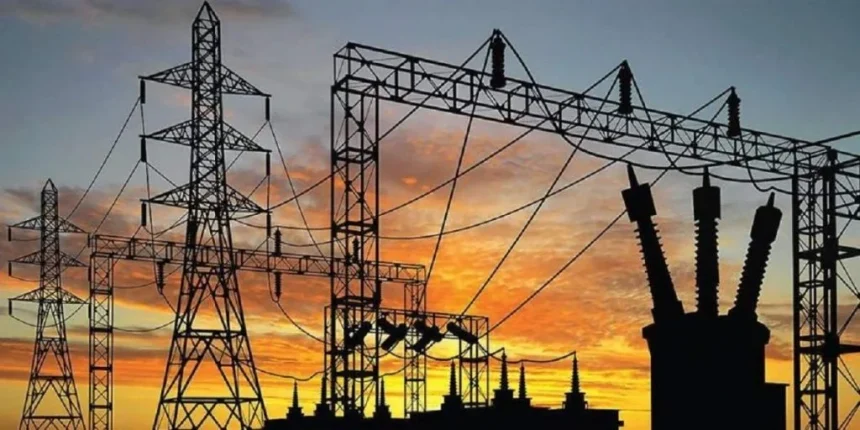
From Kaduna to Port Harcourt, from Makurdi to Lagos, a familiar frustration echoes across Nigeria: “Light no dey!”
What began as a heated discussion on Liberty FM’s Friday Sportsride programme streamed live by Mowiz Live (OGNTV Live) has now evolved into a national conversation. The programme, which initially spotlighted the poor state of electricity in Kaduna under the Kaduna Electricity Distribution Company (KEDC), struck a chord with Nigerians from other states who quickly flooded social media with their own accounts of neglect, exploitation, and despair under various Electricity Distribution Companies (DisCos).
From Kaduna to Kano: A Spark Becomes a Wildfire
In Kaduna, residents expressed outrage over prolonged blackouts, decaying infrastructure, and inflated estimated bills. One resident complained during the live segment, “We’ve been in darkness for weeks, yet they keep bringing ₦40,000 bills.”
But soon, comments poured in from across the country.
A Facebook user from Benin City wrote, “Kaduna people, una still get small light. Come to our side in Edo under BEDC, we don’t see power for days.”
Another commenter from Jos added, “The same story here. JEDC brings bills every month even when there’s zero supply.”
The shared frustration cut across class and region, revealing a nation grappling with a broken power delivery system.
The National Outcry: What Nigerians Are Saying
On X (formerly Twitter), the hashtags #NoLightNoLife, #DisCoFailure, and #DarkNation trended for two days. Users shared videos of pitch-black streets, melted frozen goods, and small business owners counting losses.
One small bakery owner in Minna wrote, “I buy fuel every day to bake bread because we can’t rely on NEPA. Diesel and petrol are killing our business.”
In Port Harcourt, a user lamented, “PHED has turned us into slaves of darkness. The power goes every five minutes, and they still expect us to pay full bills.”
A teacher in Jos added, “My students write their exams by torchlight. What kind of future are we building like this?”
The comments reflect widespread despair and distrust in Nigeria’s electricity sector.
A Decade After Privatization: What Went Wrong?
When Nigeria privatized its power sector in 2013, hopes were high that private investors would bring efficiency, transparency, and stability to electricity delivery. Instead, twelve years later, Nigerians are still stuck in an endless cycle of blackouts and excuses.
Energy analysts say the problem is both structural and systemic.
Generation Gap: Nigeria currently generates an average of 4,200 to 4,800 megawatts for over 220 million people, a figure experts describe as grossly inadequate.
Transmission Bottlenecks: The Transmission Company of Nigeria (TCN) continues to operate on old infrastructure that frequently collapses under stress.
Distribution Failures: DisCos, responsible for the final leg of supply, often cite technical faults, vandalism, or non-payment by consumers — yet critics say they have failed to invest meaningfully in upgrading lines and transformers.
Dr. Ifeoma Adebayo, an energy policy researcher, noted, “What Nigerians are facing today is the consequence of incomplete reforms generation, transmission, and distribution must be aligned, but what we have now is chaos at every stage.”
The Human Toll: Lives and Livelihoods in the Dark
For millions of Nigerians, poor electricity supply is more than inconvenience it’s a daily struggle for survival.
Small businesses are collapsing under the weight of high generator costs. Hospitals struggle to run equipment. Schools can’t operate digital learning tools. Families lose food, comfort, and safety in darkness.
In Kano, a tailor told OGNTV Live’s correspondent, “We run generators every day just to finish customers’ clothes. Sometimes, the generator cost wipes out our profit.”
Meanwhile, in Lagos, residents of Surulere reported being billed up to ₦70,000 a month without consistent power. “We are paying for darkness,” one user said on Facebook.
Regional Experiences Under Different DisCos
|
Region |
Distribution Company |
Major Complaint |
|
North-West |
Kaduna Electricity Distribution Company (KEDC) |
Vandalized lines, long outages, inflated estimated billing |
|
North-Central |
Jos Electricity Distribution Company (JEDC) |
Aging infrastructure, irregular load sharing |
|
South-West |
Ibadan Electricity Distribution Company (IBEDC) |
Transformer failures, slow response to faults |
|
South-South |
Port Harcourt Electricity Distribution (PHED) |
Frequent power surges, poor communication |
|
South-East |
Enugu Electricity Distribution Company (EEDC) |
Outdated grid, multiple transformer breakdowns |
|
South-West |
Ikeja and Eko DisCos |
Bill manipulation, low voltage supply despite urban settin |
Across the board, Nigerians say there is a pattern: poor service, weak accountability, and regulators that appear reactive rather than proactive.
KEDC, NERC, and FG React
Responding to mounting criticism, KEDC recently admitted that vandalism and weather damage have hampered repairs but promised improvements.
The Nigerian Electricity Regulatory Commission (NERC) has also announced an “emergency audit” of DisCos’ performance, vowing to sanction any company found to be shortchanging customers.
A senior official of NERC told reporters anonymously, “We are aware of the public frustration. The Commission is reviewing service-based tariffs and supply compliance levels.”
However, Nigerians remain skeptical. One social media user posted, “We’ve heard all this before. Nothing changes except the excuses.”
Experts Suggest Way Forward
Energy experts and civic groups are calling for a total review of the 2013 privatization framework, arguing that most DisCos have failed to meet investment and service obligations.
Dr. Adebayo suggests a hybrid approach. “Government can maintain regulatory oversight but open up competition within regions. Mini-grids, solar cooperatives, and independent power producers should be empowered to serve communities where DisCos have failed.”
Others call for citizen participation, urging the public to hold local DisCos accountable through formal complaint channels and consumer associations.
A Collective Outcry for Reform
What began as a regional conversation in Kaduna has exposed a national crisis one that cuts across politics, ethnicity, and geography. Nigerians are united not by prosperity, but by frustration.
As one Liberty FM listener aptly put it, “Whether you’re in Lagos or Kano, PHED or IBEDC, we’re all in the same darkness.”
The growing chorus across social media now demands urgent action not statements from the Federal Government, the Ministry of Power, and NERC. Nigerians are no longer just asking for electricity; they’re demanding accountability, transparency, and respect for their right to reliable energy.
Until then, the hum of generators will remain Nigeria’s unofficial national anthem.