
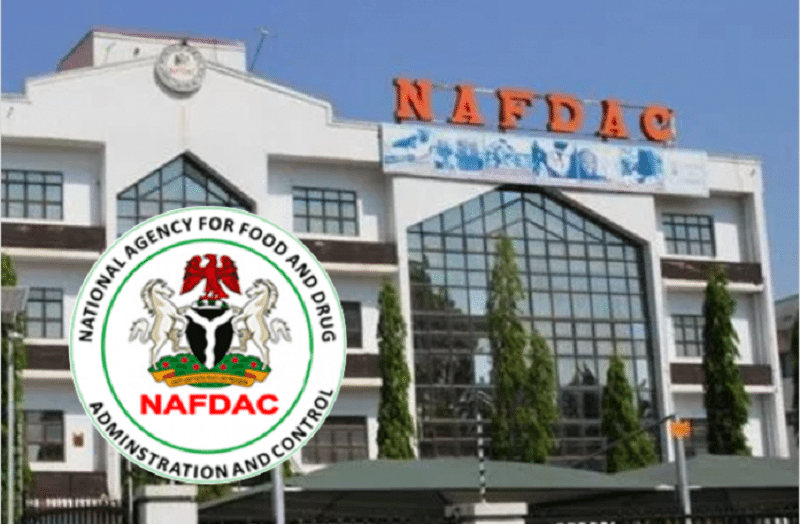
The National Agency for Food and Drug Administration and Control (NAFDAC) has sealed a Chinese supermarket in Wuse 2, Abuja, after investigators discovered a range of alleged regulatory breaches, including goods labelled only in Chinese and expired products on sale. Several media reports also say the operation affected a number of cosmetics shops in the city, but that element has not been independently verified by NAFDAC as of this report.
NAFDAC’s Director of Investigation and Enforcement, Shaba Mohammed, told journalists that operatives acted on credible intelligence that prompted an enforcement sweep. “We observed that over 90 percent of the items were labelled exclusively in Chinese with no English translation, in clear violation of our labelling requirements,” he said. “We also recovered products that were beyond their expiry dates. These practices put consumers at risk and cannot be tolerated.”
Inspectors who sealed the supermarket at Azba Mall, Durban Street, Wuse 2, say they encountered:
A large volume of products with labels only in Chinese and no English translations of ingredients, instructions or expiry dates.
Several items that were past their expiration dates or bore ambiguous shelf-life information.
Incomplete or absent documentation for some imported consignments, prompting an investigation into the supply chain and importation procedures.
“Products sold in Nigeria must be labelled in a way that consumers can understand and must meet safety standards before they are put on sale,” Shaba Mohammed said. “Where documentation is lacking, we will follow the trail to the warehouses and importers responsible.”
Multiple online outlets and social posts have claimed that eight cosmetics shops were also shut down in a coordinated enforcement exercise. NAFDAC’s public statement confirmed only the sealing of the Chinese supermarket and ongoing investigations into its warehouse and importation records. At the time of publication, NAFDAC had not issued an official list naming other retail outlets that were closed in the same operation.
Because of conflicting reports, industry sources caution against treating the “eight cosmetics shops” claim as settled fact. “There can be confusion in the immediate aftermath of raids,” one regulatory analyst observed. “Authorities sometimes move from a targeted raid to wider inspections, but official confirmations typically follow after full inventories and legal assessments.”
NAFDAC regulations require that products intended for the Nigerian market be labelled legibly and in English so that consumers can understand instructions, ingredients, warnings and expiry dates. The agency says this requirement is central to consumer protection and public health.
When products lack proper labelling, import permits, or have expired, NAFDAC may seize items, shut down retail premises, and launch investigations. Penalties can include fines, prosecution, and long-term banning of offending products or suppliers from the market.
Local shoppers and market traders expressed concern and surprise. Many customers depend on imported goods sold at such supermarkets and worry about supply disruption and price effects. “We buy there because of variety and price,” said a shopper in Wuse 2. “But if items are unsafe, then action must be taken. I only hope this does not drive up prices or limit access to products we rely on.”
Retailers and importers told reporters that some small businesses import goods informally and may not always comply with full regulatory documentation, often because of costs or ignorance of procedures. Regulators and customs officials will likely examine how the items passed through the supply chain.
NAFDAC said the probe will extend to the supermarket’s warehouse to trace the origin of suspect consignments and determine whether importation or distribution laws were flouted. The management of the sealed supermarket has been invited to present import documents, product approvals and other evidence of compliance.
“Where we find breaches, we will take further enforcement action, which may include prosecution,” Shaba Mohammed warned. “We will also work with customs and other agencies to ensure these products do not re-enter the market unchecked.”
Regulatory experts say the action underscores ongoing challenges in policing imported consumer goods, particularly in a large urban market where a mix of formal and informal import channels exists. They recommend stronger pre-clearance checks at ports, improved traceability of consignments, and public awareness campaigns to ensure retailers and consumers understand labelling and safety requirements.
Consumer-rights groups welcomed the enforcement move but urged NAFDAC to publish findings and the legal basis for any wider closures promptly, to avoid misinformation and unnecessary panic. “Transparency is essential so the public knows action is being taken for safety and not as arbitrary enforcement,” said the head of one such group.
NAFDAC’s sealing of the Chinese supermarket in Wuse 2 signals intensified enforcement of labelling and safety rules for imported goods. While multiple reports claim that eight cosmetics shops were also shut down, that aspect remains unconfirmed by the agency. The outcome of NAFDAC’s warehouse investigations and any subsequent actions against suppliers or additional retail outlets will clarify whether this was an isolated enforcement action or part of a wider crackdown on non-compliant imports.