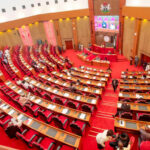
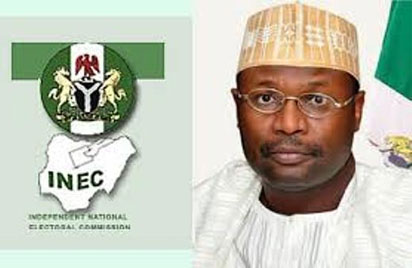
The Chairman of the Independent National Electoral Commission (INEC), Prof. Mahmood Yakubu, has appealed to the National Assembly (NASS) to expedite proposed amendments to the Electoral Act and related laws. He says the reforms are essential to ensure that INEC can implement new provisions in plenty of time ahead of the 2027 general elections, and to address issues exposed by Nigeria’s 2023 polls.
After reviewing the 2023 general elections, INEC says there are gaps and contentions in the current legal framework which require fixing. Prof. Yakubu noted that while the Electoral Act 2022 introduced over 80 innovations including technology deployment, better funding, and stronger regulation of political parties practical challenges still persist.
Some of the issues INEC wants addressed include:
Allowing more time between party primaries and the date an election is held to better prepare printing of ballot papers, results sheets, and other sensitive materials.
Clarifying ambiguities in sections of the Electoral Act that relate to transmission and collation of results.
Introducing special voting provisions for Nigerians abroad, essential service workers, election personnel, and incarcerated citizens.
INEC has submitted a total of 142 reform recommendations to the National Assembly following post-election reviews. Of those, eight require constitutional amendment or changes to the Electoral Act.
Other proposed reforms include:
Establishment of an Electoral Offences Commission to handle electoral crimes.
Creation of a Political Party Regulatory Agency to ensure political parties are regulated more effectively.
Provisions for special seats for women and persons with disabilities to enhance inclusion.
Prof. Yakubu pointed out that because of earlier collaboration between INEC and NASS especially through retreats and stakeholder engagements postponement of general election dates due to logistics was avoided in 2023. He said that having more lead time between primaries and elections helped with printing sensitive materials locally, rather than outsourcing.
He commended NASS for its cooperation so far, saying there is “speed” and seriousness in how lawmakers are treating the reform process. But he emphasized that “speedy action” is needed so that any new legal amendments are operational well in advance of 2027.
While many stakeholders welcome the push for reform, some warn that merely passing amendments is not enough. Effective implementation, clarity in law, funding, and political will are also required.
Civil society groups like the Policy and Legal Advocacy Centre (PLAC) have emphasized that electoral reforms should not be repetitive but must be solid, broad-based, and responsive to ground realities. PLAC maintains that Nigeria’s legal framework is sound, but its implementation has revealed weaknesses.
Passing these changes ahead of the 2027 general elections could help avert many of the problems seen in 2023, including delays in result collation, complaints over voter registration and ballot paper logistics, and issues of inclusion.
It would also give INEC the needed legal clarity and operational lead time. For example, extended time between primaries and elections gives more room for printing, distribution, and for political parties to comply with nomination requirements.
INEC Chairman Prof. Mahmood Yakubu’s call to the National Assembly is rooted in experience, not theory. The 2023 elections exposed structural and legal gaps. The reforms INEC proposes if enacted in time could strengthen Nigeria’s democracy and reduce electoral disputes.
But time is not on Nigeria’s side. For these amendments to make a real difference, NASS must move quickly, public hearings must be comprehensive, and all stakeholders must ensure the changes are more than just legislative exercise they must translate into smooth, credible, and inclusive elections in 2027.