
By Aisha Muhammad Magaji
The Federal Government, in collaboration with the National Biosafety Management Agency (NBMA), has assured Nigerians that genetically modified organisms (GMOs) currently in use and circulation in the country are safe for human consumption, animals, and the environment.
This assurance was given during a stakeholders’ forum on biosafety regulation in Abuja, where officials emphasized that Nigeria adheres to international standards and scientific guidelines in approving and regulating GMOs.
Speaking at the forum, Director-General of NBMA, Dr. Agnes Asagbra, said the agency had put in place a strict regulatory framework to ensure that only safe and certified GMOs are allowed into the country.
“We want to reassure Nigerians that the GMOs in circulation are safe. Before any GMO is approved for use in Nigeria, it undergoes a rigorous risk assessment process in line with global best practices. Our mandate is to protect human health and the environment, and we are fully committed to this responsibility,” she stated.
Dr. Asagbra explained that the agency works closely with scientists, research institutions, and international organizations to monitor the impact of GMOs. She added that no product is cleared without scientific evidence of safety.
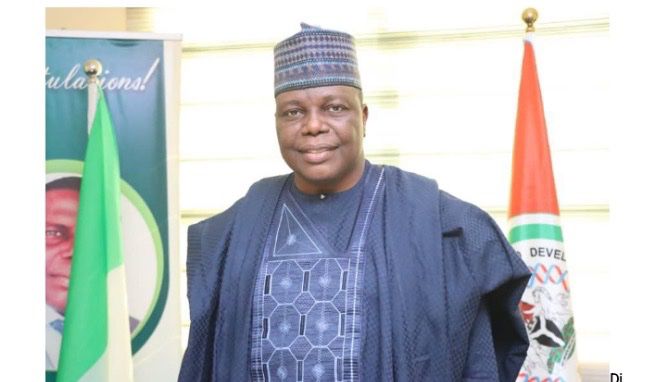
On his part, Minister of Environment, Malam Balarabe Abbas Lawal, urged the public not to be swayed by misinformation about GMOs. According to him, biotechnology offers significant opportunities to boost food security and agricultural productivity in Nigeria.
“Biotechnology is one of the tools we can deploy to tackle hunger, improve yields, and reduce losses caused by pests and diseases. Nigerians should be confident that the government is not compromising their safety,” the minister said.
Farmers present at the forum also shared their experiences. A maize farmer from Kaduna State, Musa Adamu, said the introduction of genetically modified maize varieties had reduced crop losses on his farm.
“In the past, pests destroyed much of my harvest, but with improved maize seeds, I have seen better results. I understand why people may be worried, but from my experience, it has been beneficial,” he explained.
However, civil society groups at the meeting called for continuous public engagement and transparency in the approval process. They urged NBMA to strengthen awareness campaigns so that Nigerians can better understand the benefits and risks of biotechnology.
Dr. Asagbra responded that NBMA had already stepped up its public outreach efforts, including community consultations, workshops, and information materials to address public concerns.
She said, “We know there is skepticism, and that is why we are making deliberate efforts to educate Nigerians. Our approach is science-based, and we will never compromise on safety.”
The forum ended with a renewed call for collaboration between government agencies, farmers, scientists, and the public to ensure that biotechnology contributes positively to Nigeria’s food system.