By Aisha Muhammad Magaji
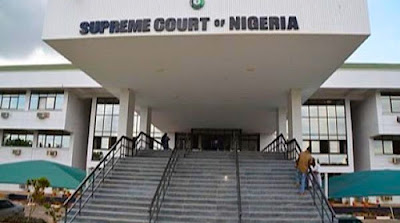
Nigeria’s Supreme Court has agreed to hear an appeal in a controversial blasphemy case tied to alleged offensive WhatsApp messages, a move that could have far-reaching implications for freedom of speech, digital rights, and religious sensitivities in the country.
The case involves a university student convicted by a lower Shariah court in northern Nigeria for allegedly sharing statements deemed blasphemous against the Prophet Muhammad in a WhatsApp group. The conviction, which carried a death sentence, has drawn sharp criticism from human rights organizations, legal practitioners, and international observers who argue that it undermines constitutional guarantees of freedom of expression and fair trial.
The blasphemy row began in 2022 when a series of heated exchanges took place on a WhatsApp group of students at a tertiary institution in Kano State. The accused student, then in his 20s, was arrested after peers reported his comments to local authorities. Within weeks, a Shariah court delivered a conviction that sparked nationwide debate and protests in the region.
While local supporters of the verdict cited the sanctity of religion and respect for Islamic principles, rights groups maintained that the trial was rushed and failed to meet due process requirements. Several legal appeals followed, culminating in the case being escalated to the Supreme Court in Abuja.
At the center of the case are two competing principles: the constitutional right to freedom of expression versus the legal enforcement of religious laws in northern Nigeria. Legal analysts say the ruling could set a precedent for how online speech is treated in the country, especially in relation to blasphemy laws.
“The Supreme Court is being asked to define the boundaries of digital speech and religious respect in a multi-faith society,” said constitutional lawyer Barrister Femi Adeyeye. “This case could either strengthen freedom of expression or reinforce the criminalization of speech under religious sensitivities.”
Amnesty International and Human Rights Watch have condemned the blasphemy conviction as a violation of international human rights standards. Western embassies in Abuja have also raised concerns privately, warning that the case could damage Nigeria’s global human-rights reputation.
Domestically, reactions remain split. In northern states, some religious leaders have urged the Supreme Court to uphold the original verdict, framing it as necessary to preserve social order. In the south, civil society groups and student associations have rallied in support of the accused, calling for his acquittal.
The case has also highlighted the growing intersection of social media and law in Nigeria. WhatsApp, widely used across the country, has increasingly become a platform for public debates and sometimes controversial exchanges. Experts worry that without clear judicial guidance, online speech could face greater risks of criminalization.
“This isn’t just about one student it’s about whether Nigerians can speak freely in digital spaces without fear of death sentences,” said Gbenga Sesan, Executive Director of Paradigm Initiative, a digital rights advocacy group.
Possible outcomes
Legal observers outline three main scenarios:
- The Supreme Court could uphold the lower court ruling, reinforcing blasphemy laws.
- It could overturn the conviction entirely, citing constitutional violations.
- It could deliver a nuanced judgment overturning the death sentence but affirming limits on religiously offensive speech.
Whichever way the ruling goes, it is expected to have long-lasting effects on Nigeria’s legal and political landscape.
The Supreme Court is scheduled to begin hearings next month, with judgment expected before the year’s end. Rights groups say the case will be closely monitored across Africa and beyond, given Nigeria’s role as a regional leader.
For now, the case remains one of the most closely watched legal battles in Nigeria’s recent history, balancing on the fine line between protecting faith and safeguarding free expression in the digital era.