
By Aisha Muhammad Magaji
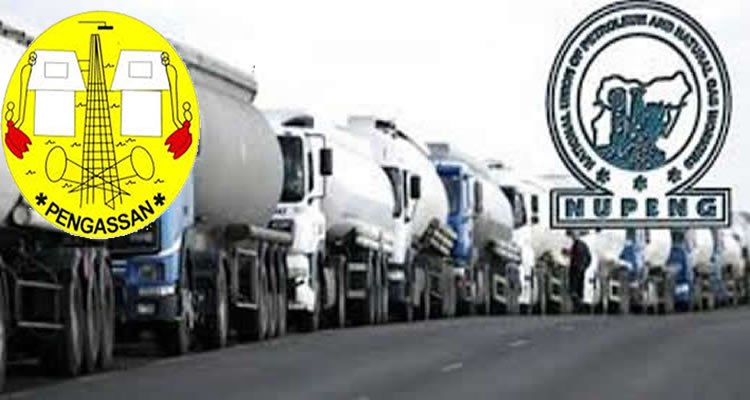
Nigeria’s two powerful oil workers’ unions, the Petroleum and Natural Gas Senior Staff Association of Nigeria (PENGASSAN) and the Nigeria Union of Petroleum and Natural Gas Workers (NUPENG), have strongly opposed Federal Government’s proposal to sell off stakes in strategic oil and gas assets managed by the Nigerian National Petroleum Company Limited (NNPCL).
The unions warned that the planned divestment could mortgage Nigeria’s economic future, weaken NNPCL’s capacity to meet national obligations, and destabilize the country’s energy security.
Why Workers Are Opposed
Reports suggest that government is considering reducing its 55–60% stake in joint venture oil assets to about 30–35%, in a bid to raise cash for budgetary spending. PENGASSAN President Festus Osifo rejected the plan outright, describing it as a “short-sighted” measure that sacrifices long-term stability for immediate gains.
“Government is wanting to reduce its stake in these assets so they will have some cash to spend in other areas. But we say no, no, no to this. You cannot mortgage our future today because tomorrow, as a country, we will be starving,” Osifo declared at a joint press briefing with NUPENG in Abuja.
NUPENG President Williams Akporeha also faulted the plan, adding that inconsistent policies and hasty amendments to the Petroleum Industry Act (PIA) risk scaring away investors. “When laws are inconsistent, they discourage investment. Government must allow the law to work before making adjustments,” he said.
Concerns Over Petroleum Industry Act
The unions also expressed alarm over proposed changes to the PIA, particularly those that could weaken the Ministry of Petroleum’s oversight role and elevate the Ministry of Finance over NNPCL operations. They argued that such amendments could dilute regulatory clarity, undermine investor confidence, and weaken the independence of NNPCL, which was restructured into a commercial entity under the PIA 2021.
Economic Risks Highlighted
Both unions warned that the planned sale could:
- Reduce Nigeria’s oil revenue earnings, leading to budget shortfalls.
- Weaken NNPCL’s ability to pay salaries, fund staff welfare, and service national obligations.
- Depress foreign exchange inflows, further pressuring the naira.
- Shrink investment confidence, as investors fear regulatory instability.
They insisted that the better path to fiscal stability is for government to boost crude oil production to at least 3 million barrels per day, strengthen governance, and plug leakages, rather than sell off strategic national assets.
Call for Presidential Intervention
The unions appealed directly to President Bola Tinubu to halt the sale plans, engage stakeholders, and prioritize long-term reforms that secure Nigeria’s oil industry as a backbone of the economy.
“The oil and gas sector remains Nigeria’s lifeline. Any decision that undermines its strength and independence is a decision against the people,” the unions said in a joint communiqué.
What Happens Next
As of this report, the Federal Government has yet to issue a detailed response to the unions’ objections. However, analysts note that sustained resistance from oil workers, who have historically demonstrated strong bargaining power, could delay or even derail the divestment plan if consensus is not reached.
The coming weeks will be critical as stakeholders watch whether the government softens its stance or presses ahead with the asset sale in the face of mounting opposition.