
By Aisha Muhammad Magaji
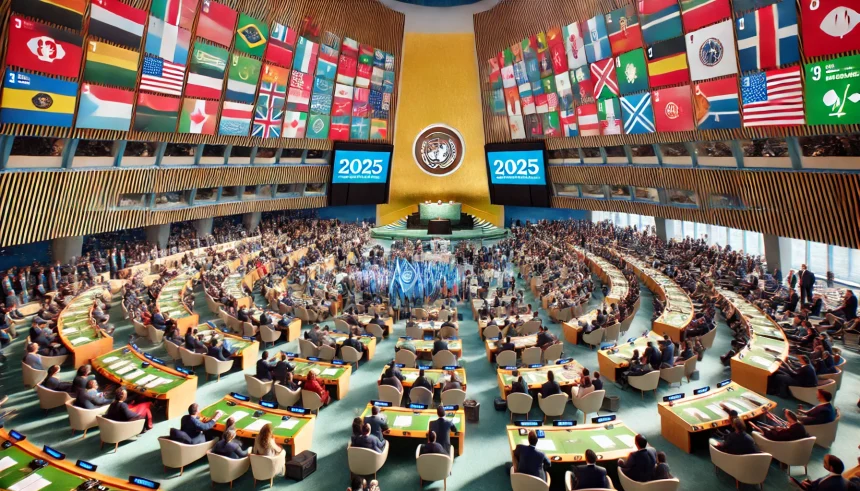
World leaders converged in New York last week for the 80th session of the United Nations General Assembly (UNGA 2025). For developing nations, the summit was more than an annual diplomatic ritual it was a test of whether global commitments on climate change, debt relief, and sustainable development would finally be translated into action.
From climate finance to food security, leaders from Africa, Asia, Latin America, and the Pacific pushed to ensure that their concerns were not drowned out by great power rivalries. Here are the key takeaways from this year’s gathering and what they mean for the Global South.
Climate Finance and Adaptation: Some Movement, Big Gaps
Climate change remains the single greatest existential threat to many developing nations, particularly small island states and parts of Africa where desertification, flooding, and drought are intensifying. At UNGA 2025, the Secretary-General renewed calls for developed nations to double adaptation finance to US$40 billion annually and accelerate contributions to the Loss and Damage Fund.
While several countries pledged additional resources, critics said the amounts are still far below what is needed. Vulnerable states stressed that financing delays are costing lives, farmlands, and infrastructure. “We cannot wait another decade for promises to be fulfilled,” said a Pacific Island delegate.
SDGs at Risk: The Financing Gap Widens
With the 2030 deadline only five years away, UN reports show that less than 20% of SDG targets are on track. Poverty, hunger, and inequality remain stubbornly high in developing regions.
The UN urged for a “Stimulus for the SDGs,” meaning greater development financing, reform of international financial institutions, and more inclusive decision-making for poorer countries. Many African and Asian leaders argued that without comprehensive debt relief, their countries cannot free the fiscal space required to invest in health, education, and infrastructure.
Energy Access and Just Transitions
Access to affordable and clean energy was another major theme. The UN-Energy Plan of Action aims to deliver electricity to 500 million people and clean cooking solutions to 1 billion people by 2030. Africa’s “Mission 300” initiative was highlighted as a step to accelerate renewable capacity on the continent.
However, financing and infrastructure bottlenecks persist. Developing nations urged wealthier states to fund not only renewables but also just transition frameworks that prevent energy poverty.
Debt, Trade, and Global Financial Reforms
Developing nations again pushed for debt restructuring and relief, citing rising interest rates and unsustainable repayment obligations. Several Caribbean and African states stressed that debt service now consumes more of their budgets than education and healthcare combined.
Calls were also made for fairer global trade systems and the reform of the IMF and World Bank to reflect the realities of the 21st century. Leaders insisted that unless representation improves, trust in multilateral institutions will continue to erode.
Inequality, Conflict, and Global Security
From the Sahel to the Middle East, conflict and instability were cited as major barriers to development. Leaders stressed that peace, security, and development must be addressed together. Many also pointed to rising inequalities including digital divides as areas where global cooperation is urgently needed.
The push for affordable digital access and technology transfer resonated with developing countries, where young populations are eager for innovation but face limited infrastructure.
Looking Ahead
UNGA 2025 delivered promises but few binding agreements. For developing nations, the key will be to hold richer countries accountable for climate pledges, debt reforms, and SDG financing.
The global mood suggests recognition of the urgency, but whether words will become action remains to be seen. For much of the developing world, time is running out.