
By Aisha Muhammad Magaji
Small and Medium Enterprises (SMEs) remain the backbone of Nigeria’s economy, contributing over 50 percent to the nation’s Gross Domestic Product (GDP) and employing millions. Yet, while much attention is often focused on Lagos, Abuja, and Port Harcourt, Northern Nigeria hosts a vibrant SME ecosystem that powers trade, crafts, agriculture, and services. These businesses often small, informal, and family-owned are quietly sustaining communities, even amid economic uncertainty.
The Heartbeat of Local Economies
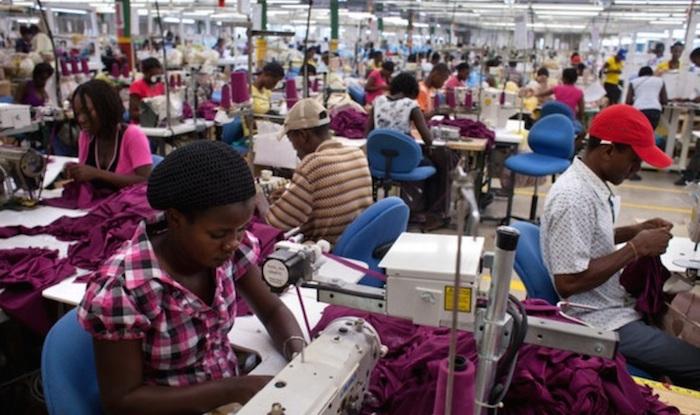
From the bustling textile markets in Kano to leatherworks in Sokoto and grains trading in Katsina, SMEs provide daily livelihoods for millions. According to the Nigerian Bureau of Statistics (NBS), Northern Nigeria accounts for a large share of agricultural SMEs, particularly in value chains such as rice, groundnuts, and livestock. These businesses not only feed the nation but also connect rural producers with national and international markets.
In rural towns, where government presence is limited, SMEs serve as both employers and service providers. Tailors, artisans, roadside mechanics, and food processors ensure that local economies remain active, even where formal industries are absent.
Challenges on the Ground
Despite their importance, SMEs in the North face significant hurdles. Access to finance remains the number one obstacle. While fintech innovations and microfinance banks are improving credit access, many small business owners still operate without collateral or formal records, making loans difficult to secure.
Security challenges have also disrupted trade in many Northern states. Farmers in Borno, Zamfara, and Niger struggle to move goods due to attacks or road blockages, while markets in conflict-prone areas operate at reduced capacity. This instability raises costs and limits the growth potential of local enterprises.
Infrastructure deficits unreliable electricity, poor roads, and limited internet penetration add further strain. For example, leather processors in Kano often rely on generators to power their workshops, raising production costs and reducing competitiveness against imported goods.
Women and Youth at the Forefront
One striking feature of Northern SMEs is the active participation of women and young people. In Kano and Kaduna, women-led cooperatives dominate food processing, textiles, and small-scale farming. In Maiduguri, displaced youths are finding new livelihoods in ICT, tailoring, and mobile services, turning adversity into opportunity.
Organizations like the Development Research and Projects Centre (DRPC) and the Bank of Industry (BoI) have launched training and funding programs to support women and youth entrepreneurs. However, coverage is still limited compared to the scale of need.
Unlocking the Potential
Experts argue that unlocking the potential of Northern SMEs requires a multi-pronged approach:
- Access to Finance: Strengthening microcredit schemes and digital lending platforms tailored for informal businesses.
- Infrastructure Investment: Expanding rural electrification, road networks, and internet connectivity.
- Security Interventions: Ensuring farmers and traders can move goods safely.
- Capacity Building: Offering training in bookkeeping, digital skills, and market access.
- Policy Support: State governments creating SME-friendly tax regimes and industrial clusters.
If these challenges are addressed, SMEs in the North could significantly boost Nigeria’s efforts to diversify away from oil dependency, while creating inclusive prosperity for millions.
Looking Ahead
The story of SMEs in Northern Nigeria is one of resilience. Despite insecurity, inflation, and limited support, these businesses continue to survive and innovate. A trader in Kano who starts with a single bag of rice today may, with the right support, become a large-scale distributor tomorrow.
For Nigeria’s broader economy, paying attention to these “unsung drivers” is not just about regional equity it is about national survival. As oil revenues fluctuate and formal job creation lags, Northern SMEs represent a lifeline for households and an untapped powerhouse for future growth.