
Nigeria’s central bank has reduced its benchmark interest rate by 50 basis points to 26.5 percent. As a result, the move signals a cautious shift away from months of aggressive tightening. For markets, businesses, and households, the decision marks an important turning point.
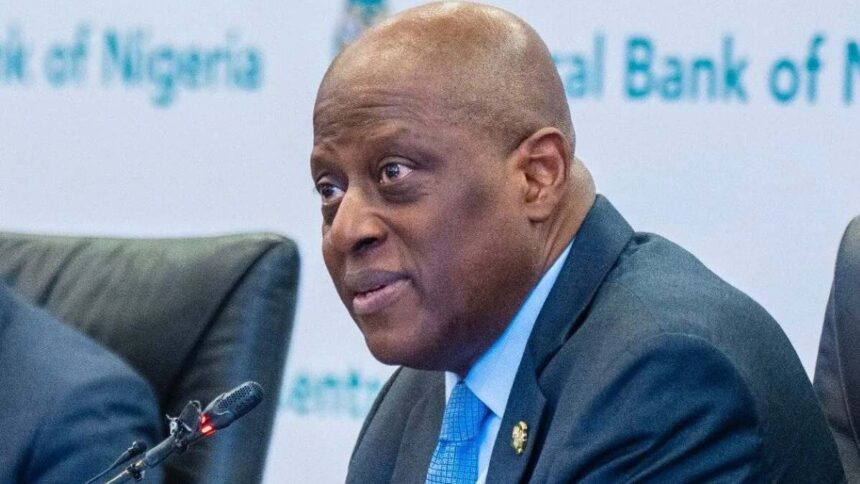
The decision followed the 304th meeting of the Monetary Policy Committee in Abuja. At the end of the session, Governor Olayemi Cardoso announced the outcome. The Committee voted to lower the Monetary Policy Rate from 27 percent to 26.5 percent. According to official data, inflation has slowed for eleven consecutive months. Headline inflation now stands at 15.10 percent year-on-year.
In explaining the move, Cardoso said the Committee based its decision on a balanced review of risks. In his view, the downward trend in inflation will likely continue. The Bank believes earlier tightening measures have started to deliver results. Previously, policymakers raised rates sharply to curb rising prices and stabilize the naira. However, high borrowing costs increased pressure on businesses and consumers.
Over the past year, the Central Bank of Nigeria tightened policy to restore confidence. Consequently, loan costs surged across the economy. Manufacturers struggled with expensive credit. Likewise, small businesses faced stricter lending conditions. For many households, rising interest rates reduced purchasing power.
Now, policymakers see room to support growth. Even so, they have chosen a careful approach. The Committee kept other key policy tools unchanged. It retained the Cash Reserve Ratio at 45 percent for deposit money banks and 16 percent for merchant banks. In addition, it maintained the liquidity ratio at 30 percent. By doing this, the Bank aims to prevent excess cash from fueling fresh inflation.
Lower policy rates can reduce borrowing costs over time. Nevertheless, commercial banks may adjust their lending rates gradually. If that happens, businesses seeking expansion loans could benefit. Similarly, mortgage holders and small firms may see some relief. Yet, the speed of transmission remains uncertain.
For investors, the rate cut signals improving stability. At the same time, analysts warn that risks persist. Food supply challenges, exchange-rate swings, and global commodity volatility could disrupt progress. Therefore, policymakers must remain vigilant. A rapid easing could reignite inflation. On the other hand, delaying support for too long could slow economic recovery.
Nigeria remains one of Africa’s most closely watched economies. Because of its size, policy decisions in Abuja influence capital flows across West Africa. The Bank now walks a narrow path between stability and growth. Ultimately, the real impact will appear in lending activity, factory output, and household spending.
The new rate of 26.5 percent marks more than a headline figure. Instead, it represents a strategic adjustment. In the months ahead, inflation trends and credit conditions will determine success. In the end, Nigerians will judge the decision not by policy language, but by its effect on prices, jobs, and everyday life.