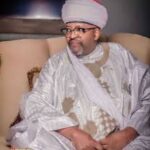
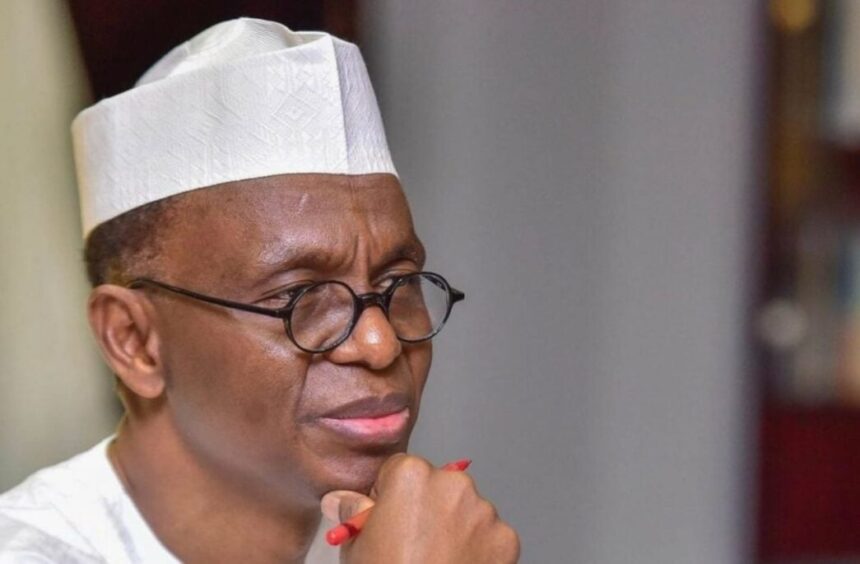
The concurrent arrest of former Kaduna State Governor, Nasir El-Rufai, has sparked nationwide debate over whether the move represents genuine accountability or political intimidation.
In February 2026, El-Rufai became the subject of coordinated actions by the Economic and Financial Crimes Commission, Independent Corrupt Practices and Other Related Offences Commission, and Department of State Services.
The investigations reportedly involve alleged financial misconduct tied to projects executed during his tenure as Kaduna governor from 2015 to 2023, alongside separate security-related allegations, including claims of unlawful interception of communications and cyber offences.
The rapid involvement of multiple agencies and his movement between them have raised questions about coordination, due process, and timing.
Legally, the agencies involved have constitutional mandates. The EFCC and ICPC are empowered to investigate corruption and public fund mismanagement, while the DSS handles matters linked to national security.
Reports indicate that court processes have commenced, suggesting that the matter is entering formal judicial review.
If charges have been filed, prosecutors must present credible evidence in court. This lends weight to arguments that the arrest is grounded in statutory authority rather than arbitrary action.
Despite the legal framework, critics argue that the sequence and timing of the arrests are unusual. El-Rufai’s legal team has raised concerns about procedural compliance, including how investigations and detentions were handled.
The broader political climate adds another layer. El-Rufai remains a prominent political figure with national influence and has recently been linked to opposition realignments.
In Nigeria’s political history, anti-corruption investigations have often intersected with political rivalry, shaping public perception.
Supporters describe the arrest as an attempt to weaken a potential political threat ahead of future elections. Others maintain that accountability should apply to all public officials, regardless of status.
The Bigger Question
The concurrent arrest of Nasir El-Rufai sits at the intersection of law and politics. While there appears to be a legal foundation for investigation, the political context fuels skepticism.
Ultimately, the courts will determine the legitimacy of the charges. Judicial transparency and strict adherence to due process will be critical in establishing whether this case strengthens Nigeria’s anti-corruption drive or deepens concerns about selective enforcement.