When a patient’s heart stops in a hospital, every second matters. Doctors and nurses are trained to act instantly, performing CPR, administering emergency drugs, and using defibrillators to restart the heart. But sometimes, they don’t.
Not because they failed. Not because they didn’t try. But because the patient had already signed a Do Not Resuscitate order, commonly known as a DNR.
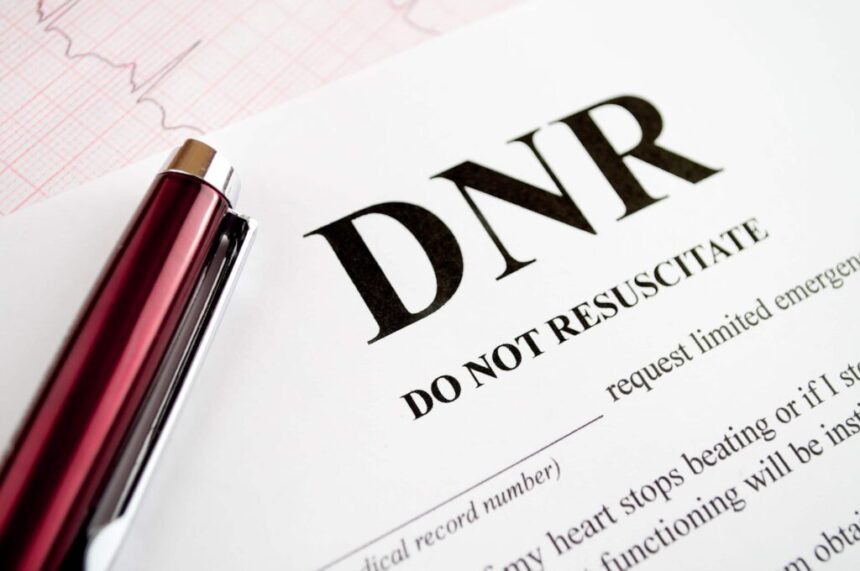
A DNR is a legal medical directive that instructs healthcare professionals not to perform cardiopulmonary resuscitation if a patient’s breathing or heartbeat stops. It is one of the most powerful expressions of patient rights in modern medicine.
What Exactly Is a DNR?
A Do Not Resuscitate order is a written instruction signed by a patient, or their legal representative, stating that CPR should not be attempted in the event of cardiac or respiratory arrest.
CPR, while life-saving, is an aggressive emergency procedure. It involves chest compressions, electric shocks, and sometimes mechanical ventilation. Studies show that survival rates after CPR in critically ill or elderly patients can be low in some cases, less than 20 percent and survivors may suffer broken ribs, brain injury, or prolonged suffering.
For some patients, especially those with terminal illness, advanced age, or severe medical conditions, the goal shifts from prolonging life at all costs to preserving dignity and reducing suffering.
The Legal and Ethical Dilemma
This is where medicine faces one of its deepest ethical tensions.
Doctors are trained and legally obligated to save lives. Medical regulators like the Medical and Dental Council of Nigeria require practitioners to protect life and provide the best possible care. Globally, ethical standards promoted by the World Medical Association emphasise the physician’s duty to preserve life.
Yet, modern medical law also recognises patient autonomy, the fundamental right of a competent adult to decide what happens to their own body.
This means doctors must respect a DNR, even when they have the ability to attempt resuscitation.
It creates a powerful paradox: the same system that obligates doctors to save lives also requires them to step back when a patient refuses life-saving intervention.
Why Patients Choose DNR Orders
Patients sign DNR orders for many reasons, including:
* Terminal illness with no realistic chance of recovery
* Desire to avoid prolonged suffering or artificial life support
* Poor quality of life due to severe illness
* Religious or personal beliefs
* Desire to die naturally and peacefully
A DNR does not mean abandoning care. Patients continue to receive medication, treatment, oxygen, surgery, and comfort care. The only thing withheld is CPR if the heart stops.
What Happens When a DNR Is in Place?
When a DNR is active, healthcare workers will:
* Continue all medical treatment and care
* Monitor the patient closely
* Provide pain relief and comfort measures
But if cardiac arrest occurs, they will not:
* Perform chest compressions
* Use electric shocks to restart the heart
* Intubate solely for resuscitation
This decision is legally binding and must be respected.
A Question of Law, Ethics, and Humanity
DNR orders highlight a fundamental question in modern medicine: Is the ultimate duty of doctors to preserve life at all costs, or to respect the patient’s right to choose?
Medical law answers this by balancing both principles. Doctors must do everything possible to save lives, until a competent patient decides otherwise.
In the end, a DNR is not about giving up. It is about control, dignity, and the right of individuals to decide how their final moments unfold.