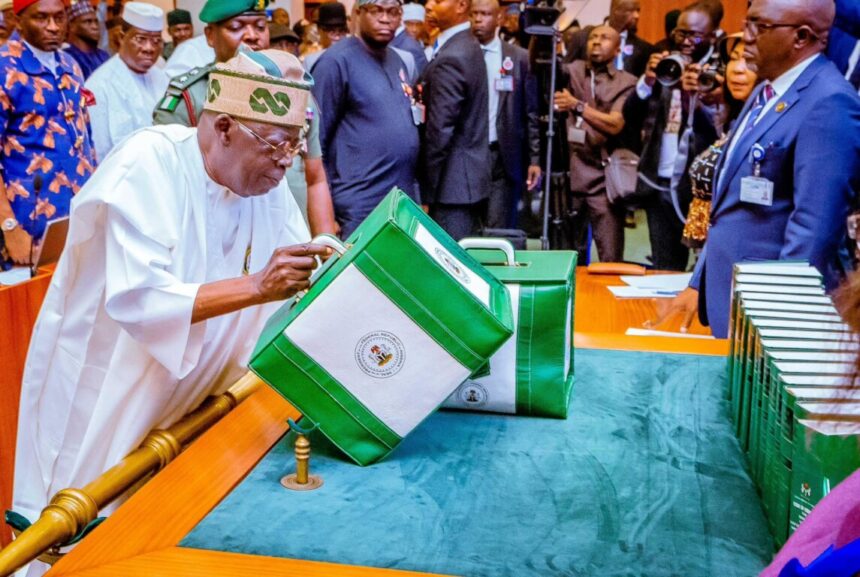
When the Federal Government talks about spending big in 2026, Nigerians ask one simple question: where is the money coming from?
According to the 2026 proposed budget framework, the Federal Government plans to raise ₦33.19 trillion in total revenue. While that figure looks ambitious, the government says it will rely on several income sources to fund its plans.
Let’s break it down clearly.
Federation Revenue: The Biggest Source
The largest portion, estimated at ₦20.01 trillion, will come from the Federal Government’s share of net federation revenue.
This revenue includes earnings from crude oil sales, gas exports, non-oil taxes such as VAT and Company Income Tax, customs duties, and other federally collected funds. These revenues flow into the Federation Account and are shared among the three tiers of government.
In reality, this means oil prices, oil production levels, and tax collection efficiency will largely determine whether this target is met.
Government-Owned Enterprises: Expected to Do More
Next, the government expects ₦4.98 trillion from Government-Owned Enterprises.
These include agencies and parastatals that generate income through regulatory fees, service charges, and operational revenues. In previous years, many of these agencies failed to remit enough funds.
This time, the government says it will strengthen monitoring to ensure better compliance and accountability.
Independent Revenues: Small Fees, Big Impact
Another ₦4.31 trillion should come from Independent Revenues.
These funds come from ministries, departments, and agencies through permits, licenses, administrative fees, and fines. Individually, these charges may seem small. However, when properly collected, they form a major revenue stream for the government.
Read Also: Electoral Bill: Senate Minority Dismisses Claims on E-Transmission
Aid, Grants, and Other Sources
The Federal Government also expects ₦1.37 trillion from aid and grants. Development partners usually provide these funds for health, education, climate action, and humanitarian projects.
In addition, ₦1.99 trillion will come from other revenue sources, while ₦300 billion is projected from special funds and account receipts. The government also plans to earn ₦247.7 billion from dividends on government investments.
The Bigger Question Nigerians Are Asking
Altogether, these sources make up the ₦33.19 trillion revenue target for the 2026 budget.
However, projections do not always match reality.
The real concern is not just where the money should come from, but whether the government will actually generate it — and how efficiently it will spend it.
For Nigerians, tracking revenue assumptions is just as important as tracking spending promises. Every naira earned, borrowed, or missed today will shape the country’s economic future tomorrow.
So the question remains: will these revenue plans deliver, or will Nigerians once again bear the cost through higher debt and tighter living conditions?
Follow the numbers. Follow the money.